Westleton Co-Housing; The Vision

The design brief for the co-housing scheme has been developed alongside the Glebe Meadow CIC, who describe the vision for co-housing as follows:

“We see co-housing as a way of group living with friendly, cooperative neighbours who look out for each other and provide support when needed. The aim is to promote neighbourliness, combat isolation and offer mutual support for individuals to be able to live independently for as long as possible”  

In essence, the aim is to deliver a high quality, age appropriate co-housing scheme for locals over 65 years old, that promotes health and social benefits & supports independent living. The vision for the scheme is to create an age appropriate development of 20 primary home dwellings for seniors around a shared social hub that:

  • Creates a high quality, safe space that is vibrant, healthy and attractive for residents & that enables them to live full, independent lives for longer.

  • Is sustainable, using environmentally friendly construction materials that are highly insulated to ensure energy efficiency and low external heat requirements throughout the year.

  • Develops a key site within the village of Westleton which is within easy walking distance of all village amenities.

  • Delivers both market and affordable housing for the local Yoxmere Benefice community. Not only is there an identified need for more housing in the former Suffolk Coastal District (+10,900 over the next 20 years), there is a clear desire for ‘right sizing’ in the local area but very little opportunity for older residents in unsuitable accommodation – houses that are too big for their needs, garden too large, bath and /or stairs a concern, located too far away from village amenities – to move into smaller, age appropriate, modern bungalows. 

  • Delivers valuable economic use of the land, providing ‘right-sized’ homes that enable larger homes in the area to be released for families and younger workers.

  • Respects and responds to the local setting and character of the surrounding conservation area, whilst increasing the choice of housing available.

  • As the area has one of the oldest populations of any district in the country, we believe this model could be rolled out in other locations in the district. The impact of an ageing population on housing supply and increased demand for specialist housing was considered to be a key issue in the Suffolk Coastal Local Plan .

  • Is a community initiative that is attempting to improve local residents self sufficiency through peer to peer support via a co-housing model.

  • Enhances the vitality of the rural community .  

  • Encourages residents to share facilities such as car pooling which will have a positive impact on the environment & reduce the importance of private motor vehicles.

Breif Sketch .jpg

The Vision of Glebe Meadow Westleton CIC has received widespread support throughout the community, including from the local MP, Suffolk County Council, District Councillor, Parish Councils throughout Yoxmere Benefice, as well as strong local support with 90% of respondents saying they thought the concept was a good idea for the area. 

Westleton Co-Housing; Collaborating with Glebe Meadow CIC 

As announced previously, Modece are collaborating on an innovative new co-housing scheme with Glebe Meadow CIC.

Glebe Meadow Westleton CIC is a Community Interest Company established in 2016 to buy a redundant Vicarage in the heart of Westleton, and to convert this into the social hub for a new co-housing development of 20 modern, age appropriate homes for locals aged 65+. Throughout the project, from initial feasibility to the developed design, the project team has worked together in a collaborative manner. 

Much like the social and inclusive ethos of the project itself, the design has developed while including and listening to as many people as possible along the way. Meetings and workshops have been held at key moments in the design process, which in turn has allowed for the brief to be developed in line with the requirements, and to be challenged, to ensure what is being designed is appropriate for both the site and the future users. 

During the process, countless designs have been explored, reviewed and critiqued. However, there were 3 key points at which the design was frozen for a period of time to gain wider public opinion. These 3 moments are shown in the diagram below.

DESIGN PROCESS SKETCH17062019.jpg

Glebe Meadow CIC & Modece have worked closely together throughout the project during which time the relevant professions where consulted. After the initial design phase, Iteration 1 was reached and  the council was consulted using their Pre-App advise services, following which the project entered a second design phase. This led to Iteration 2 which was put out to various public consultations of local groups as well as returning to the Council for a continuation of their Pre-App services. Phase 3 of the design process brought together all of the analysis and consultation that had come before and resulted in the Final Proposed Design for the site, which will be discussed in later blog posts.

New collaboration for innovative co-housing scheme

Modece has started a new collaboration with The Glebe Meadow Westleton Community Interest Company (GMWCIC) who are hoping to build a 20 dwelling co-housing scheme behind Westleton’s redundant vicarage. 

Concept design meeting. Left to right: Bob Jackson (GMWCIC), Ralph Carpenter (Modece), Sarah Quinlan (GMWCIC), Matthew Bell (Modece) and Juliet Bullimore (GMWCIC).

Concept design meeting. Left to right: Bob Jackson (GMWCIC), Ralph Carpenter (Modece), Sarah Quinlan (GMWCIC), Matthew Bell (Modece) and Juliet Bullimore (GMWCIC).

The housing is intended for locals aged over 65 as part of an initiative to tackle loneliness in the ageing population of rural areas. The proposal will include converting the vicarage itself into a social hub for residents to share. The building will provide spaces for communal cooking and eating as well as film and games rooms.

Sarah Quinlan, director of the GMWCIC, explains more in this article for the East Anglian Daily Times:

To read the full article click here

Cross Maltings Folly phase 1 completed

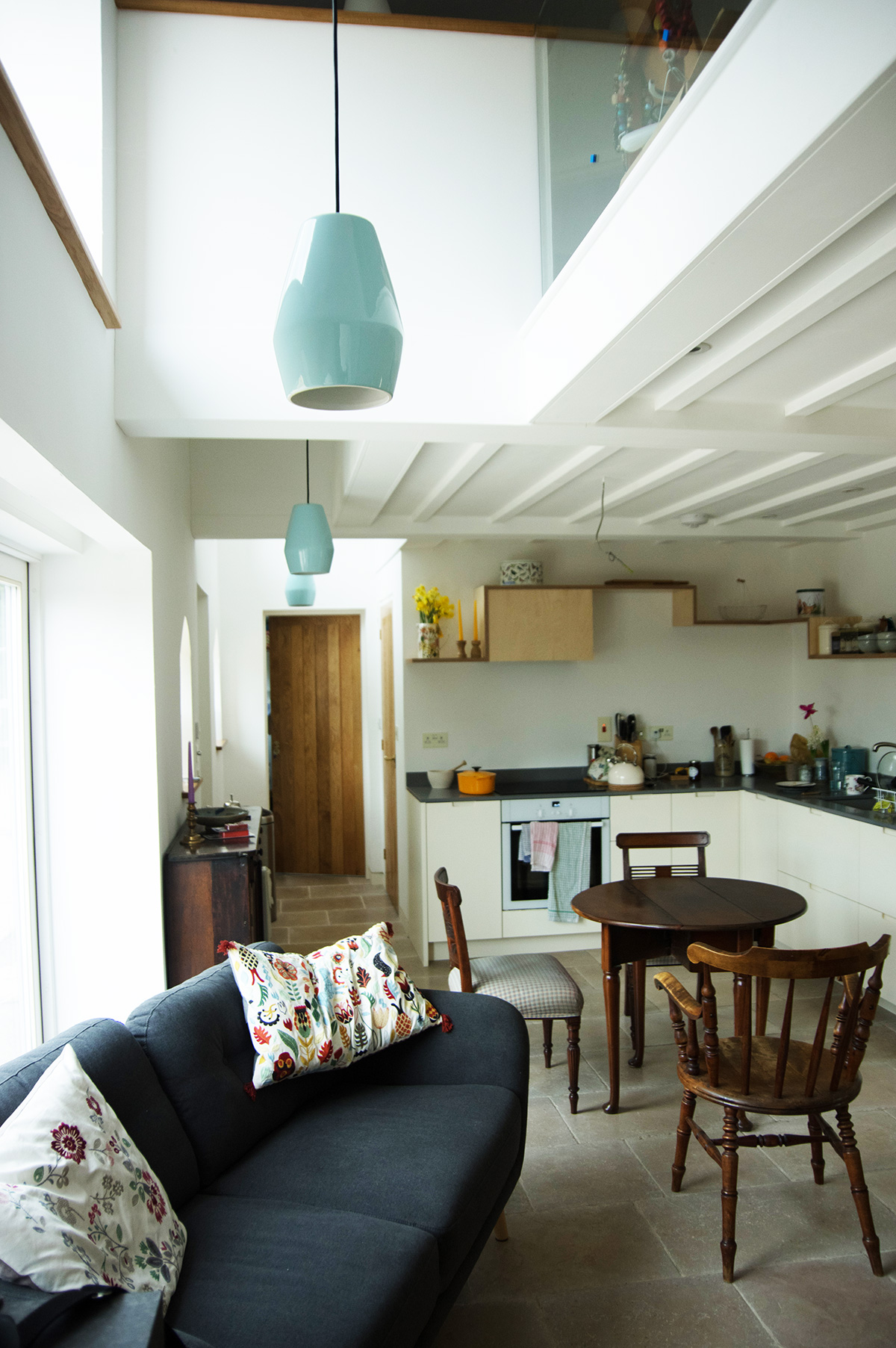
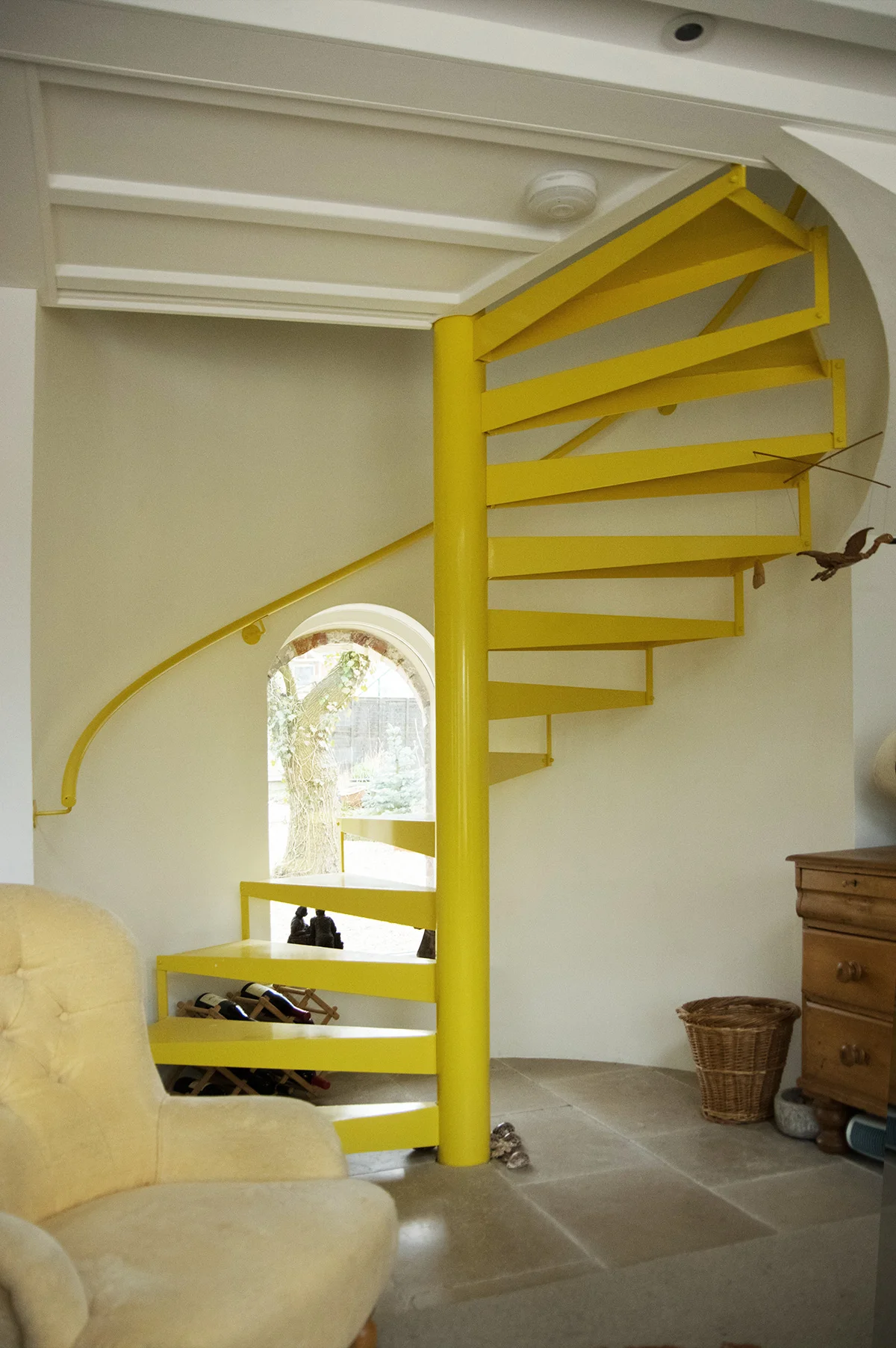
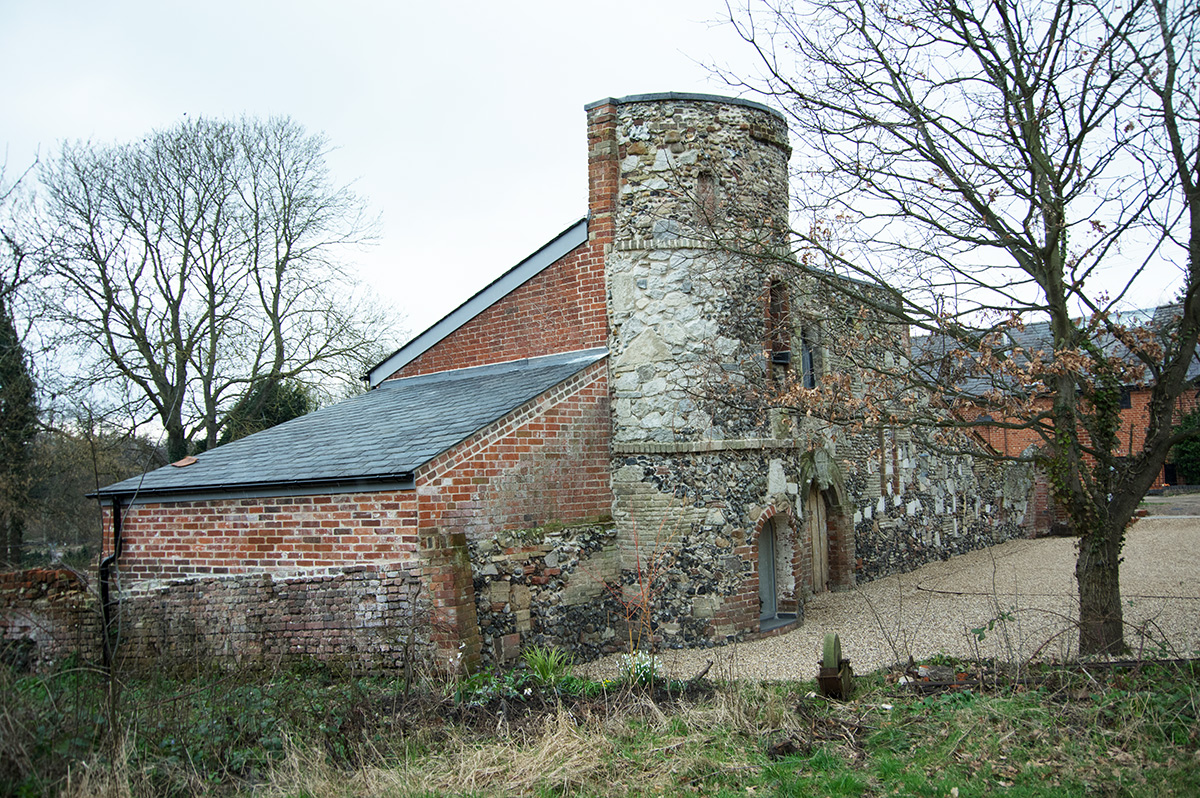
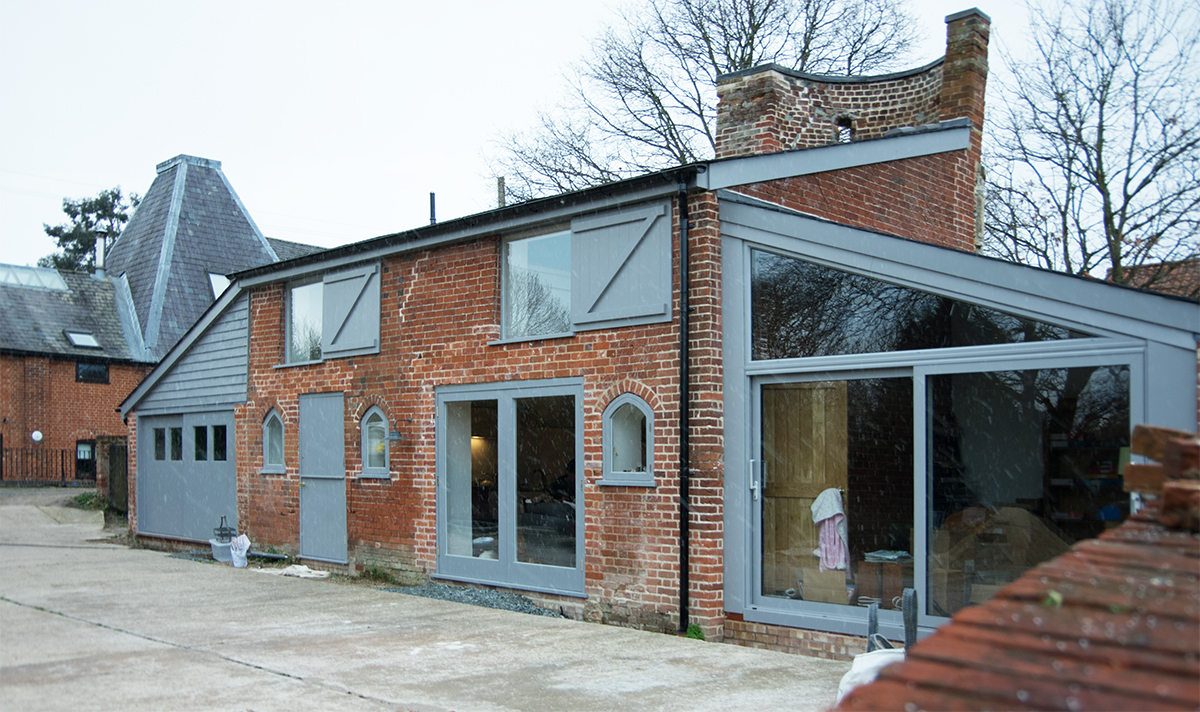
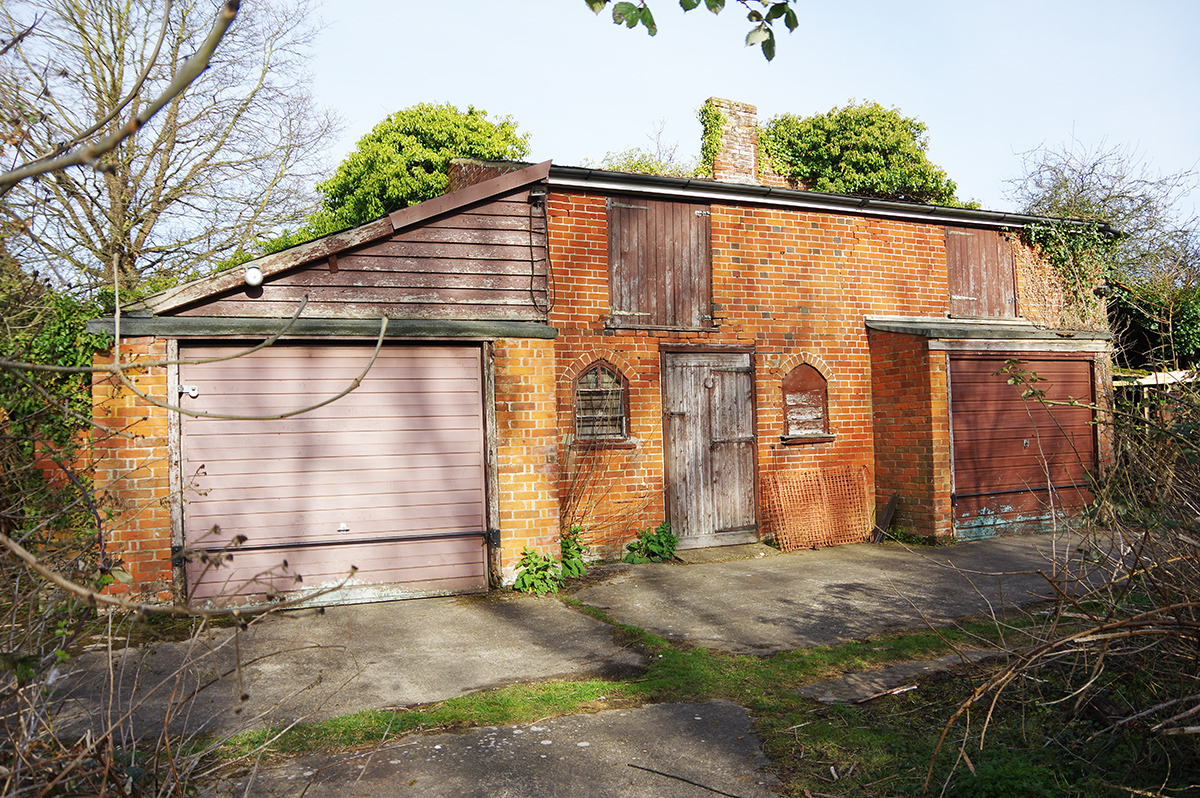
We are excited to say that phase 1 of the Cross Maltings Folly project is complete. Phase 1 included the restoration and renovation of a former stable with a folly facade. This part of the project will become the annex to the new dwelling that is to be built adjacent during phase 2 of the works. 

Architect Vacancy

Modece Architects are seeking a fully qualified Architect to join the team in early 2018. We are a small but busy practice based in Bury St Edmunds, working on a range of projects including residential, community, commercial and multi-use. We specialise in highly sustainable buildings and the use of eco friendly natural building materials - be it for a renovation of a historic building or a contemporary new build. Any prospective member of the team will share our values while having a desire to push the boundaries of Architecture. 

Interested? Please send your CV and Portfolio to studio@modece.com 

Modece Architects design principles

Sustainability in architecture is all about:

  • healthy buildings which are free from toxic emissions

  • airtight buildings which keep unwanted draughts out

  • superinsulation which keeps the building warm

  • breathable construction using natural materials which allows moisture to pass through the building fabric

  • solar shading using louvres and plants to reduce summer overheating

  • minimising water use by fitting low water demand appliances and taps

  • sourcing materials locally wherever possible

  • natural and renewable energy like wood for heating, and wind and sun for electricity generation

  • rainwater capture for use in the building (washing machines and wcs) and to irrigate gardens

  • reed beds to treat sewage on site

  • re-using buildings wherever possible to avoid waste

  • designing buildings so that they are easy to deconstruct using minimal energy and creating as little waste as possible

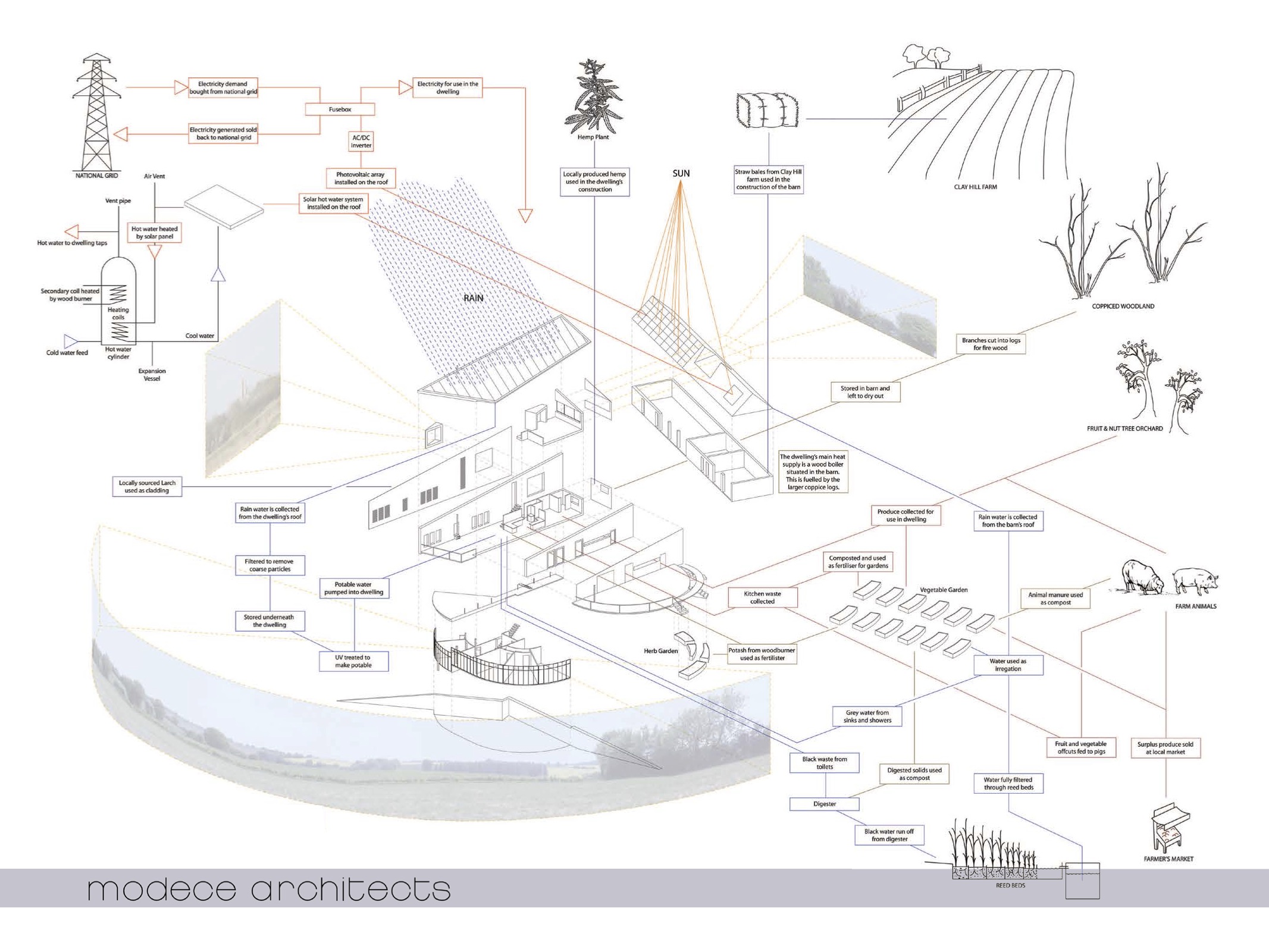
Clayhill Farm active systems and materials exploded diagram

Clayhill Farm active systems and materials exploded diagram

Modece wins 'greenest building' award

We are proud to announce that we have won the 'Greenest Building' award for The Woodshed at the Suffolk - Creating the Greenest County Awards.

Recent changes in government legislation have made it possible to convert agricultural buildings to dwellings and ‘The Woodshed’ is one of the first in Babergh to be completed, and probably the first to be a zero carbon conversion.  It shows how very low energy buildings can be achieved – a real trailblazer.  - judges comments -

Now in their ninth year, the Creating the Greenest County Awards are an annual event that highlight the excellent environmental achievements that are being carried out across the county. Communities, businesses, schools and individuals, from protecting our natural landscape to developing innovative ways to reduce carbon emissions, everyone is doing their bit to help make Suffolk the greenest county.


An Architecture Inspired by Hemp

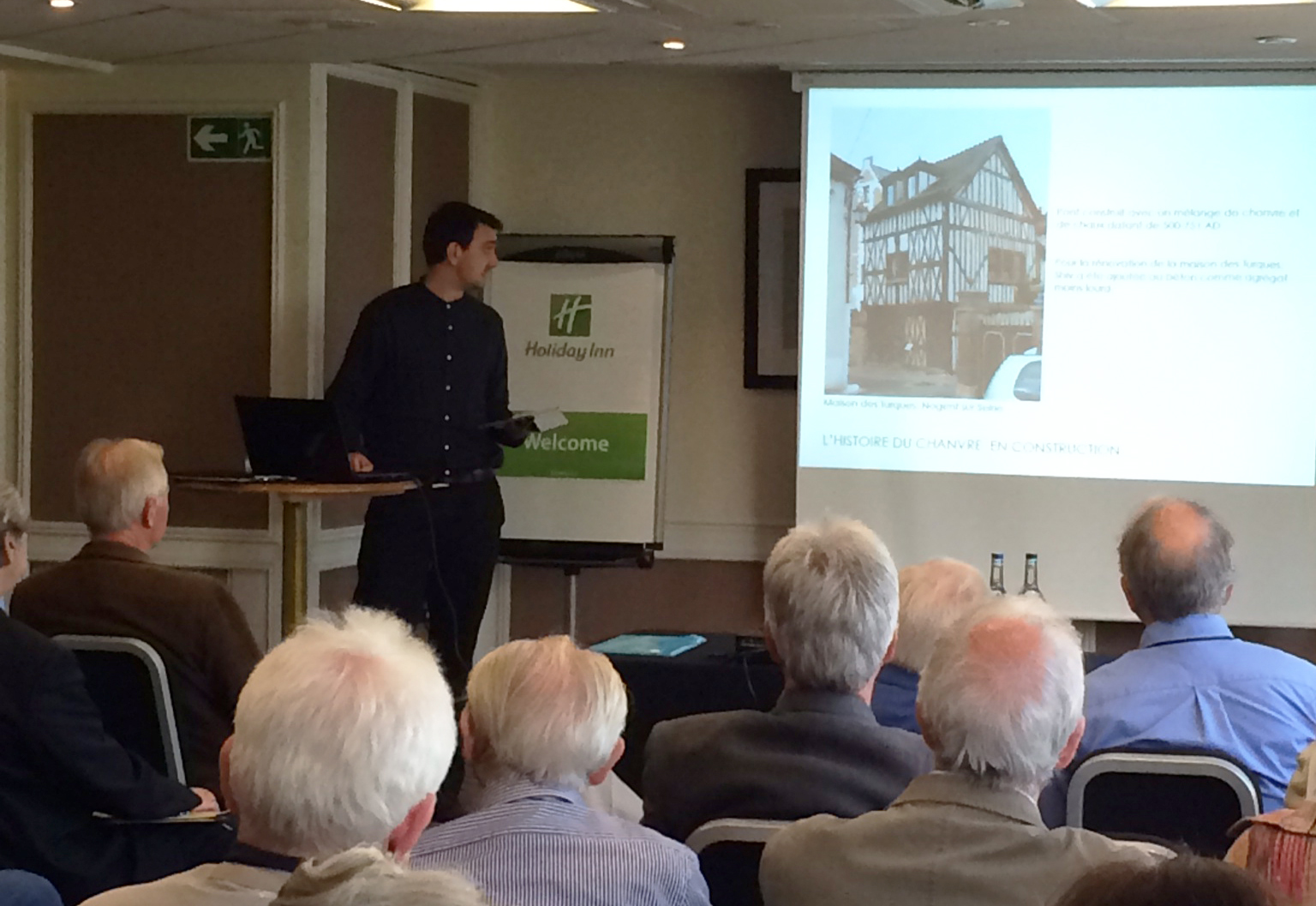
Director of Modece Architects Ltd, Matthew Bell, delivered a lecture to the Franco-British Union of Architects (FBUA) at their annual meeting, this year held in Plymouth, UK. The lecture explored the results of a three month study into the affect of the construction material hemp-lime on the design of buildings in France through history.

The study revealed that the material has altered the method of construction and some technical details but has had little affect on architectural design. The report raises questions to whether hemp-lime is being used to its greatest potential or if it currently limited to the constraints of traditional construction methods that support and frame it. 

Prior Approval for 'off-grid' home

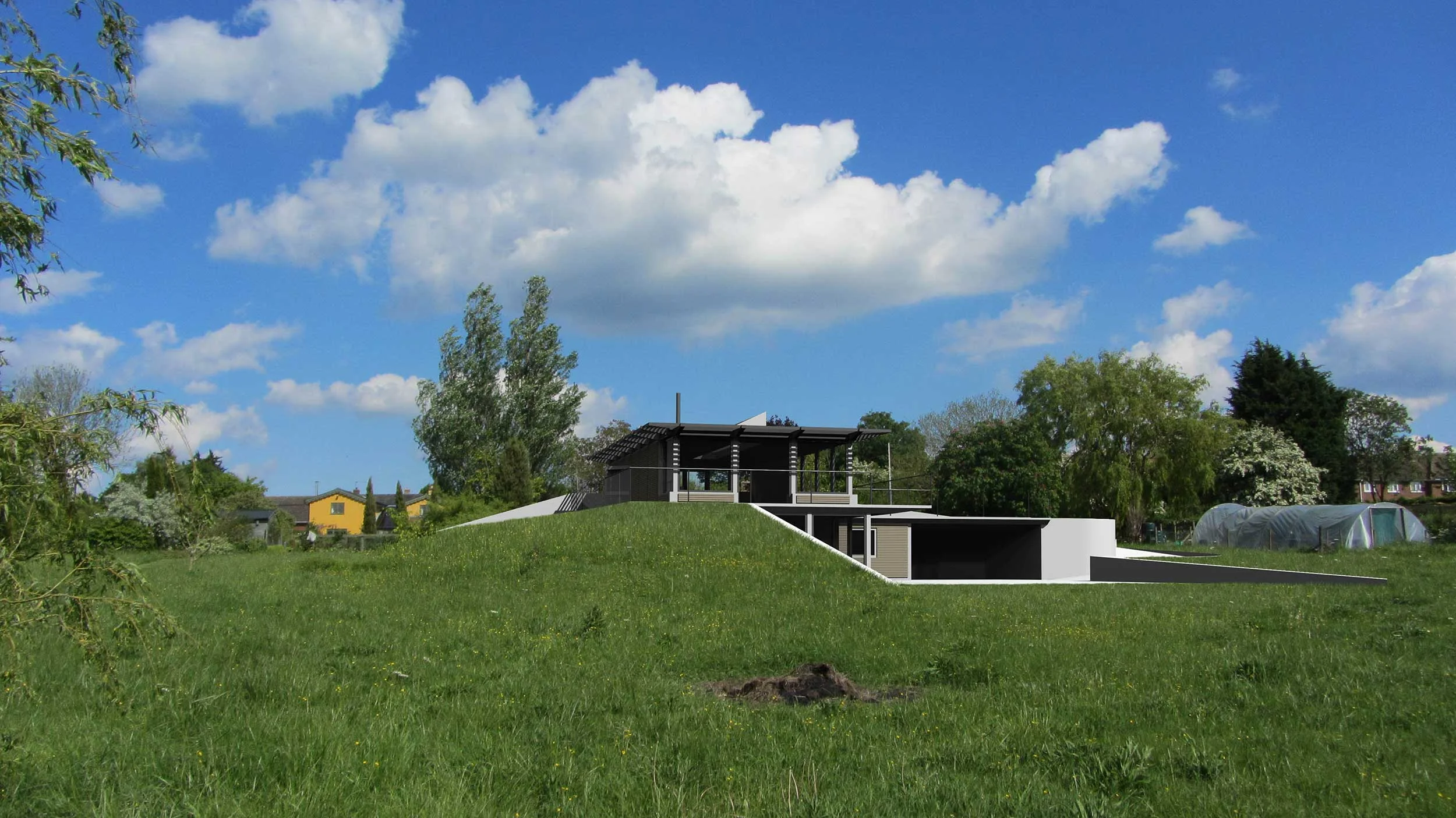
Brambles Barn off-grid house prior approval agricultural building to dwelling

We have just received word that our application for Prior Approval for this 75m2 agricultural barn to be converted to a dwelling has been successful. This is great news as it if one of the first examples of using the new Prior Approval laws to gain planning permission for a dwelling in the Mid-Suffolk area. To date the local council has resisted such developments but ours will hopefully lead the way for many more to follow. Our application included an extensive argument based on case law and a strong evidence base. It was worth it in the end as this will one day soon be a beautiful new house for the owners. Better still it will be completely off the national grid, producing its own energy on the site. 

Our next job is to start the detailed design and detailing of this building to ensure it lives up to its expectations. As always here at Modece, it will be highly efficient, built with natural materials and be an extremely healthy place to live. 

Keep an eye on the blog as we'll keep it up to date with the progress on this project, Brambles Barn.

Sustainability in architecture is all about:

healthy buildings which are free from toxic emissions

airtight buildings which keep unwanted draughts out

superinsulation which keeps the building warm

breathable construction using natural materials which allows moisture to pass through the building fabric

solar shading using louvres and plants to reduce summer overheating

minimising water use by fitting low water demand appliances and taps

sourcing materials locally wherever possible

natural and renewable energy like wood for heating, and wind and sun for electricity generation

rainwater capture for use in the building (washing machines and wcs) and to irrigate gardens

reed beds to treat sewage on site

re-using buildings wherever possible to avoid waste

designing buildings so that they are easy to deconstruct using minimal energy and creating as little waste as possible

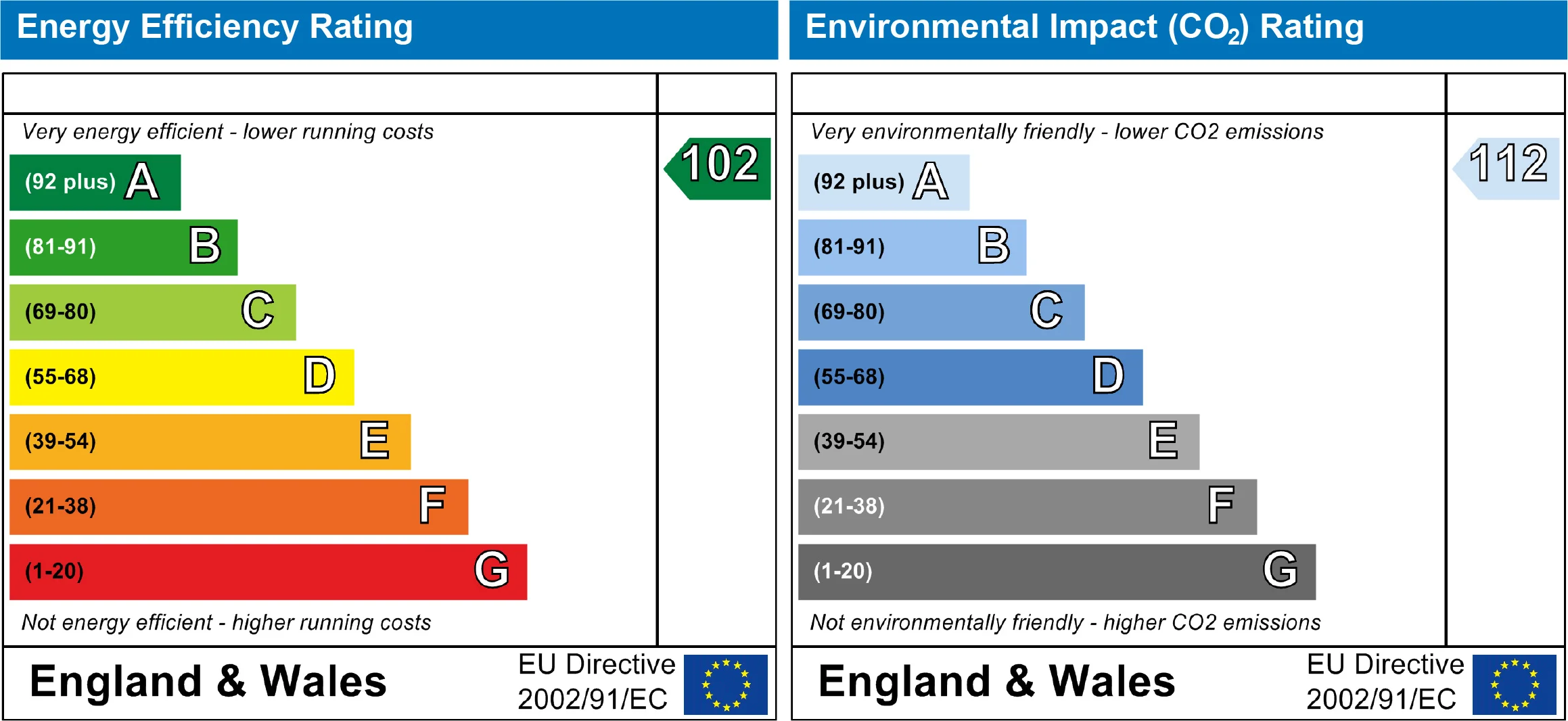
Clayhill Farm energy ratings are nearly off the chart!

We are somewhat taken aback by the design stage energy efficiency rating and environmental impact rating that we have achieved for Clayhill Farm eco dwelling in Lavenham. By using super-insulative natural materials such as hemp, sheeps wool and wood fibre we have created a highly efficient building envelope that doesn't cost the earth. Hempcrete is cast into an inner studwork leaf to provide thermal mass to the internal spaces. An outer studwork leaf is filled with sheep wool and then the whole wall is wrapped with wood fibre board to ensure no cold bridging.